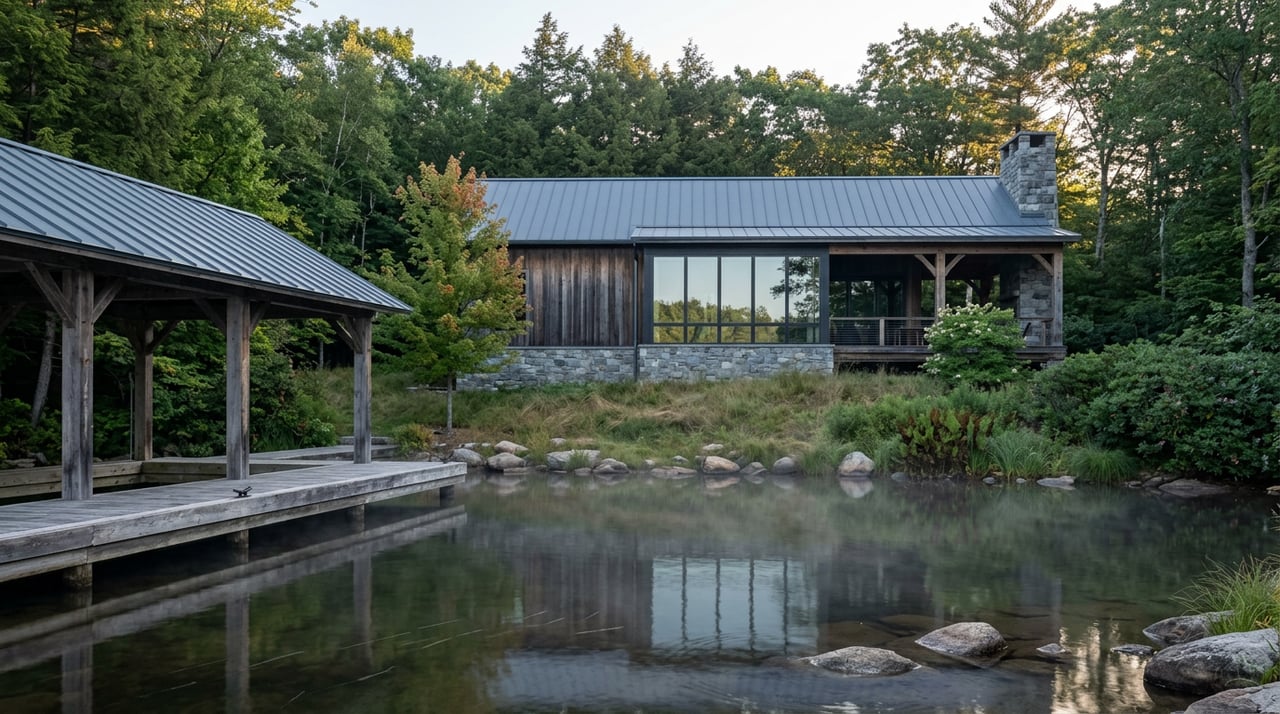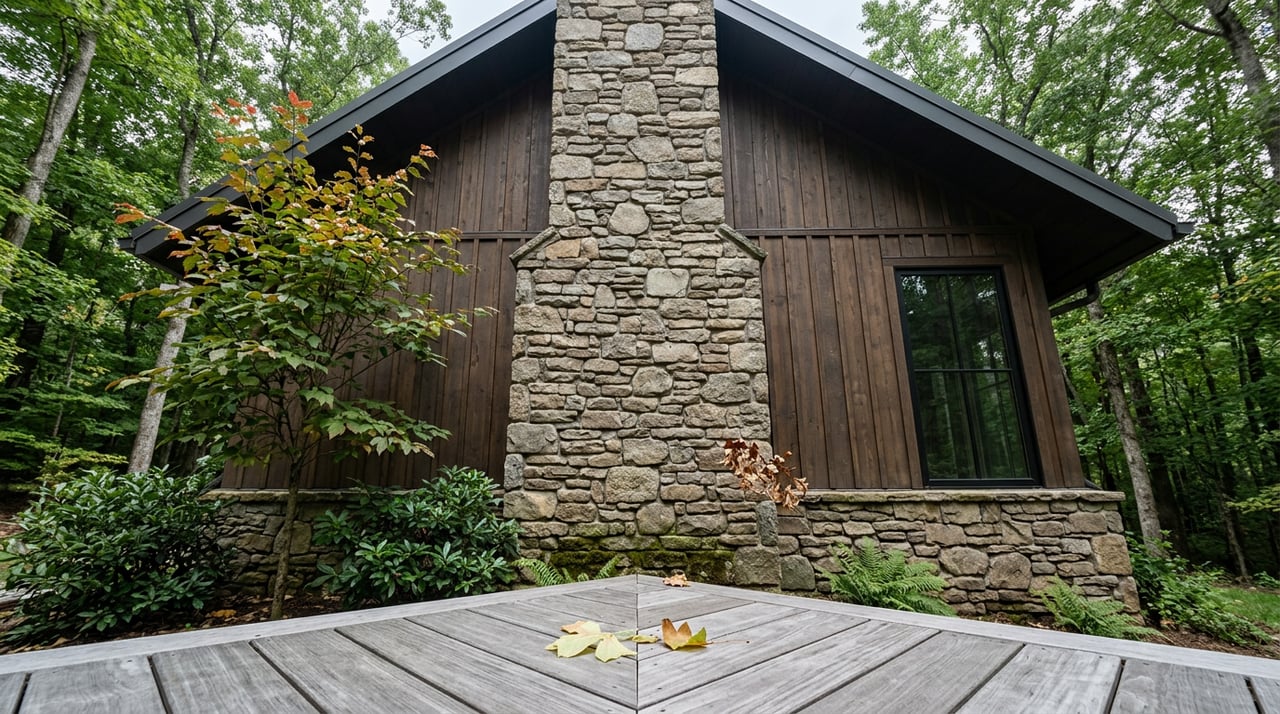
Indoor air quality is often overlooked, yet it plays a critical role in your daily health and comfort. From allergens and dust to volatile organic compounds (VOCs) and mold spores, the air in your home may be carrying more than you think. Learning how to improve the air quality of your home is not just about cleaner breathing—it’s about creating a safe, balanced environment for everyone under your roof. Whether you live in a rural setting like Blue Ridge, GA, or a more urban area, taking proactive steps can make a world of difference in how your home feels and functions.
Open Windows When Possible
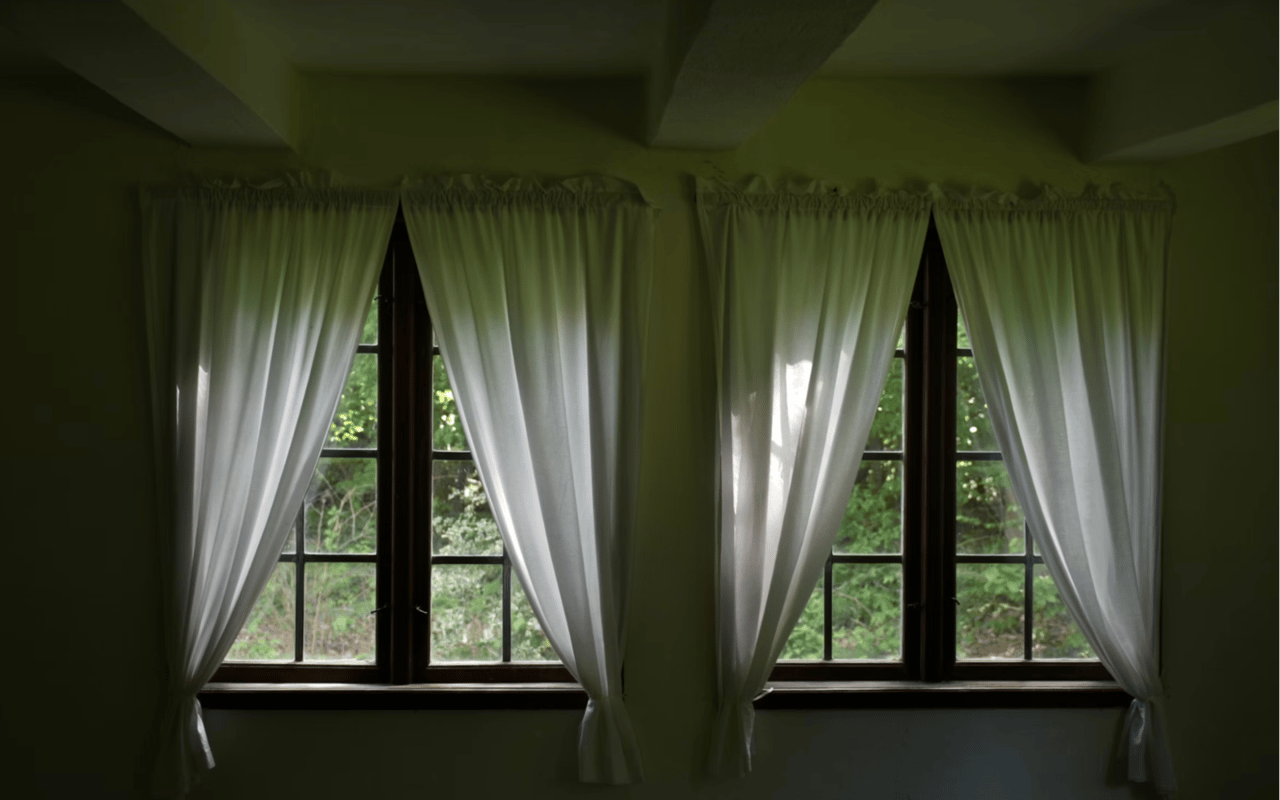
One of the simplest and most effective ways to refresh your home’s air is by opening the windows. Allowing outdoor air to circulate helps dilute pollutants and push stagnant air out. Cross-ventilation—opening windows on opposite sides of your home—can create a natural airflow that keeps rooms feeling fresh. While this may not always be feasible during colder months or peak allergy seasons, even a few minutes of fresh air each day can significantly improve air circulation.
Use an Air Purifier
High-quality air purifiers can remove particles like dust, pollen, pet dander, and even smoke. Look for HEPA filters, which are designed to trap 99.97% of particles 0.3 microns in size. In homes with multiple pets, smokers, or allergy sufferers, air purifiers can be a game-changer. Placing them in high-traffic or closed-off areas like bedrooms and living rooms enhances their effectiveness. For broader coverage, consider whole-house purification systems that integrate directly with your HVAC.
Change HVAC Filters Regularly
Your heating and cooling systems play a vital role in air quality. Filters trap contaminants before they recirculate through your home, but they must be replaced regularly to remain effective. As a general rule, check filters every 30 to 90 days, depending on the system and your household’s needs. Homes with pets or allergy-prone individuals may require more frequent changes. Upgrading to higher-efficiency filters can also help capture finer particles.
Maintain Proper Humidity Levels
Excess humidity can promote mold, mildew, and dust mites, all of which negatively affect indoor air. Conversely, air that’s too dry can irritate your respiratory system. Aim for a humidity range between 30% and 50% for optimal comfort and air quality. Dehumidifiers help in damp basements or bathrooms, while humidifiers add necessary moisture during winter months. Smart thermostats and hygrometers make it easy to monitor and maintain the right balance throughout your home.
Clean with Non-Toxic Products
Many traditional cleaning supplies contain VOCs that linger in the air long after use. Switching to eco-friendly, non-toxic cleaning products reduces airborne chemical exposure and keeps your home safer for children and pets. Look for labels that say “low-VOC,” “biodegradable,” or “plant-based.” Even better, homemade solutions using vinegar, baking soda, and essential oils can clean effectively without compromising air quality.
Add Houseplants for Natural Filtration
Certain houseplants can act as natural air purifiers by absorbing toxins and releasing oxygen. While they shouldn’t replace filtration systems, plants like peace lilies, snake plants, and spider plants offer an added layer of defense against poor air quality. They also boost humidity and create a calming aesthetic. Be mindful of which plants are safe for pets, and place them strategically in living spaces to maximize their benefit.
Keep Carpets and Upholstery Clean
Soft surfaces like rugs, carpets, and upholstered furniture tend to trap allergens, dust mites, and other pollutants. Vacuuming with a HEPA-filter vacuum cleaner at least once a week can make a noticeable difference. Consider steam cleaning carpets and washing cushion covers regularly to remove embedded particles. In high-traffic areas, replacing carpet with hardwood or tile can reduce dust accumulation and make cleaning easier.
Avoid Scented Candles and Synthetic Fragrances
While they may smell pleasant, many air fresheners and scented candles release chemicals into the air that can irritate your lungs. Opt for natural alternatives such as beeswax candles, essential oil diffusers, or simmer pots made from herbs and citrus. These create a welcoming aroma without compromising air quality. If you use candles, ensure they’re made from soy or beeswax and contain cotton wicks to minimize soot and chemical emissions.
Inspect for Mold and Mildew
Mold spores are a significant indoor air pollutant and can cause allergic reactions, respiratory issues, and even structural damage. Regularly inspect areas prone to moisture—bathrooms, basements, around windows, and under sinks—for signs of mold or mildew. Address leaks and water damage promptly and use mold-inhibiting products in vulnerable areas. Professional mold remediation may be necessary if you discover extensive growth.
Don’t Overlook Your Ductwork
Dust, pet hair, and debris can build up in air ducts over time, reducing efficiency and spreading contaminants throughout your home. If you’ve noticed increased allergy symptoms or musty odors when the HVAC is running, it may be time for a duct inspection. While not needed annually, professional duct cleaning every few years can significantly contribute to cleaner indoor air and more efficient system performance.
Make Smoking an Outdoor Activity
Secondhand smoke is one of the most dangerous pollutants to have indoors. If anyone in your household smokes, encourage them to do so outside, away from windows and doors. This not only protects non-smokers from exposure but also helps prevent nicotine residue—known as thirdhand smoke—from settling on surfaces and lingering in your home’s air long-term. Creating a dedicated outdoor smoking space can help maintain a healthier indoor environment.
A Breath of Fresh Air Starts at Home
Taking steps to improve the air quality of your home doesn’t have to be overwhelming. By making small, thoughtful changes—from changing filters to choosing safer cleaning products—you’ll create a healthier environment for everyone in your household. Knowing how to improve the air quality of your home empowers you to breathe easier, sleep better, and enjoy your space to the fullest, every day of the year.
Real Estate Guidance for Healthy, Happy Living
Christy Reece helps clients find more than just homes—she helps them find lifestyles that support comfort and well-being. Their team understands the importance of indoor air quality and other key elements that affect daily living. Whether buying or selling in Blue Ridge, GA, or beyond, they offer knowledgeable, personalized guidance to ensure your home is a place where health and happiness thrive.