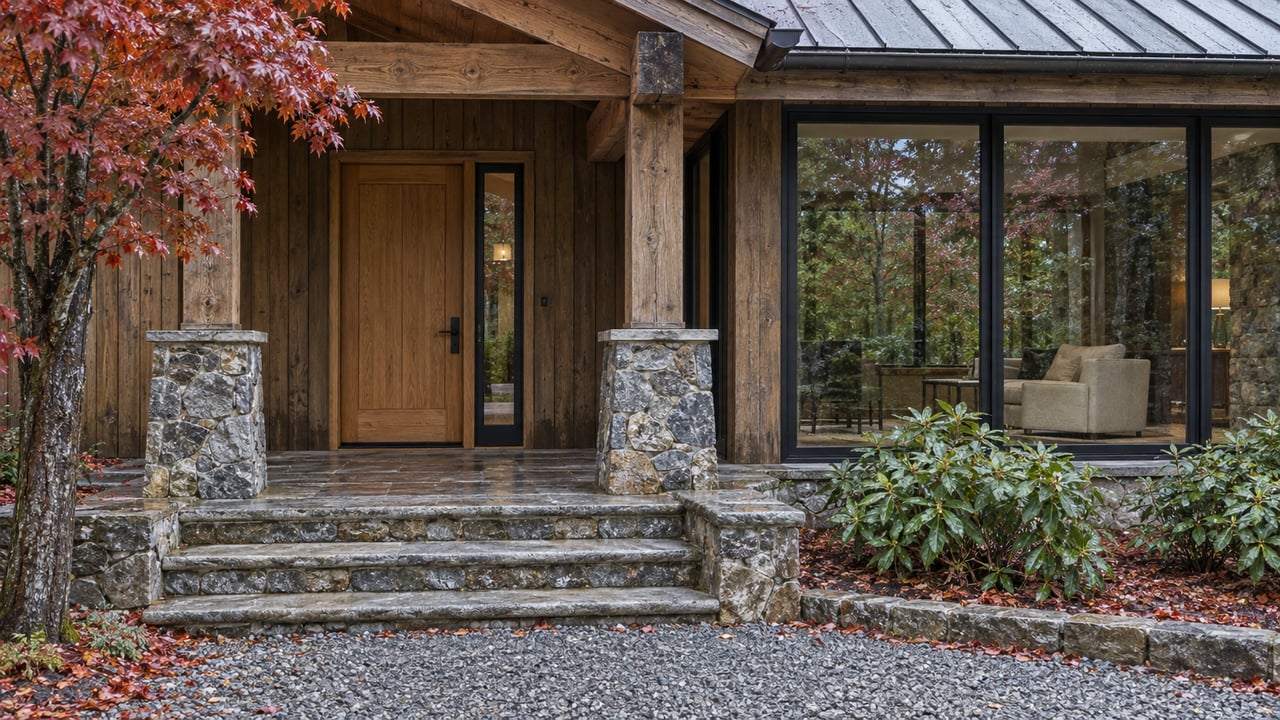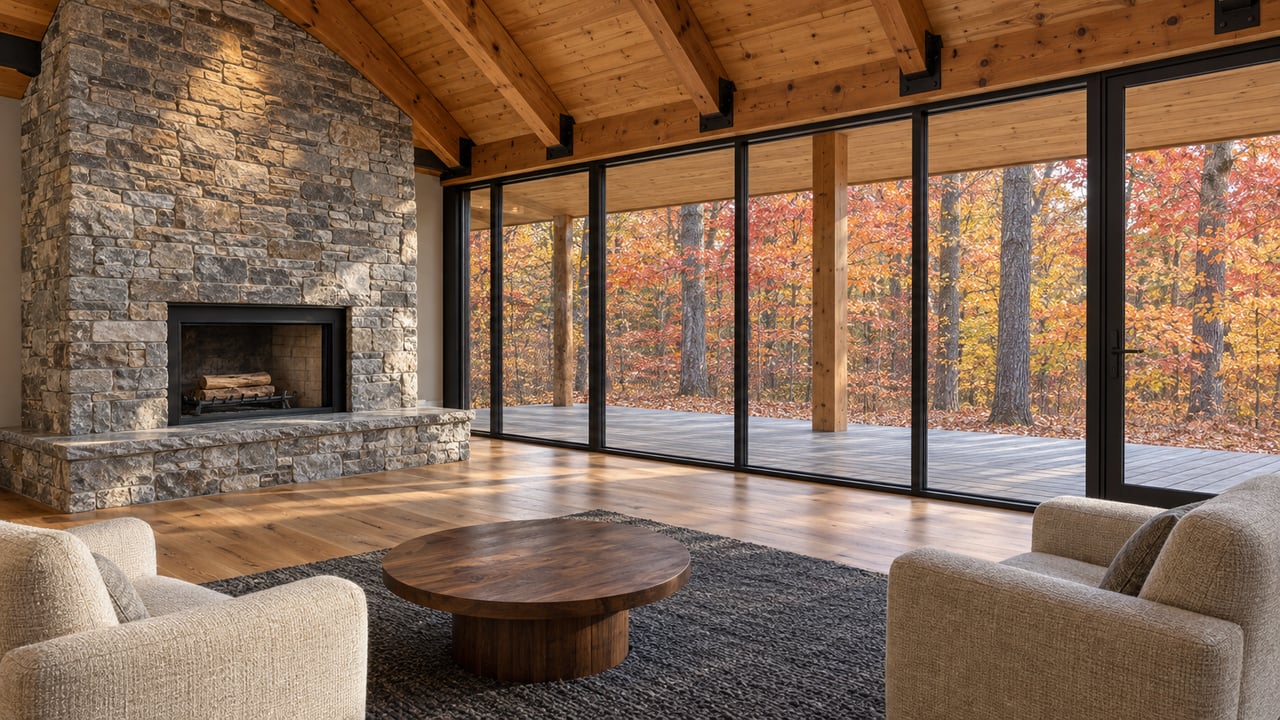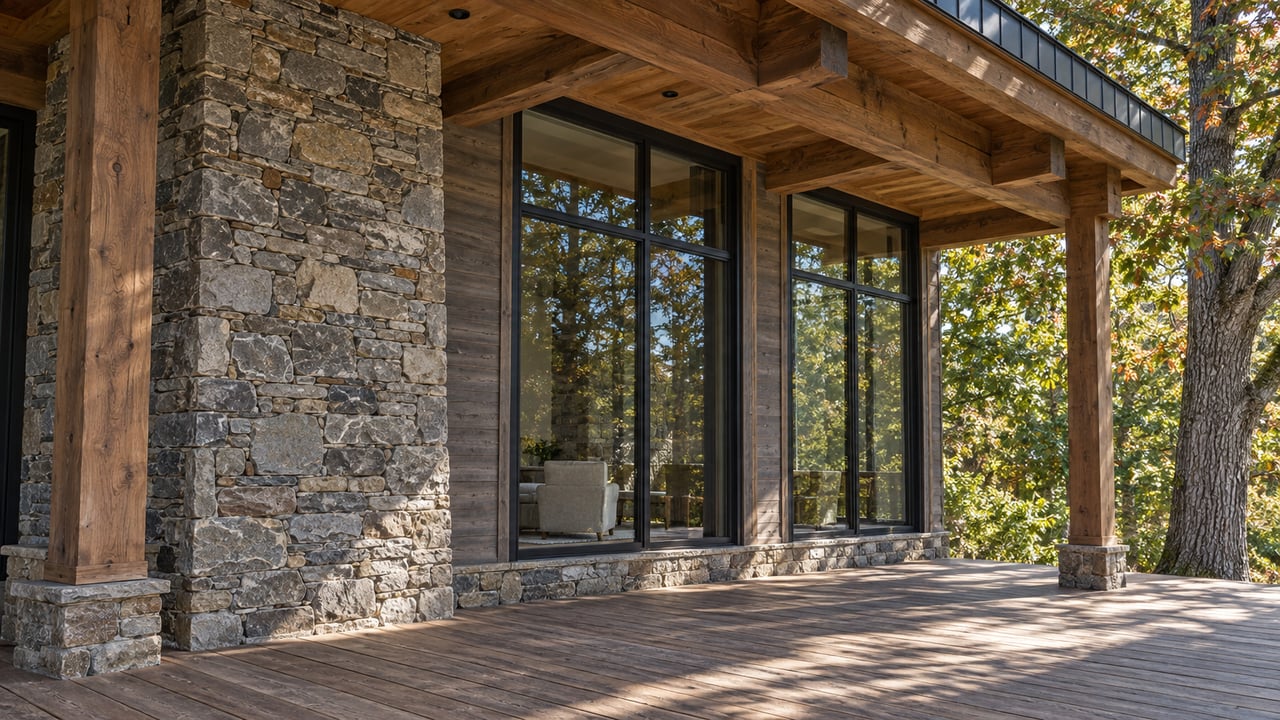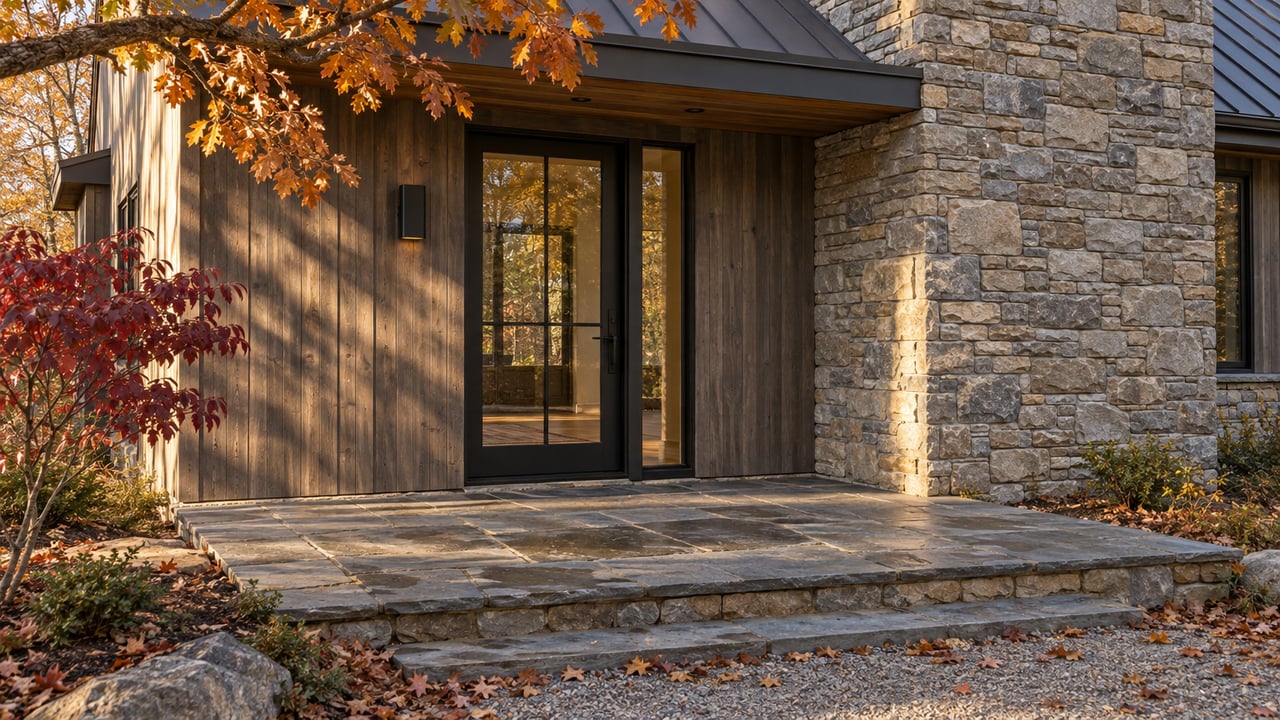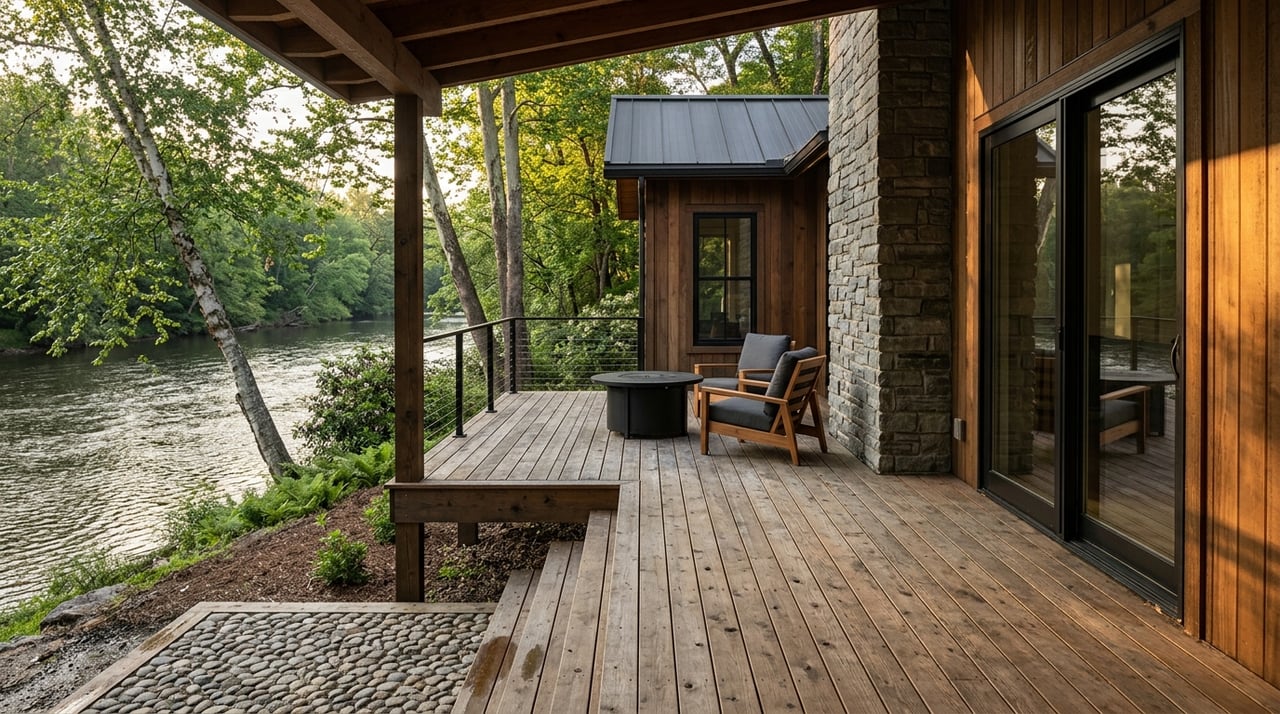
If you are dreaming about a riverfront cabin in Blue Ridge, you are not alone. The sound of moving water, easy access to the outdoors, and the appeal of a mountain retreat make these properties stand out fast. But buying along the river is not the same as buying a standard cabin, and the details can affect how you use the property, what it costs to maintain, and whether it works for your long-term goals. Let’s dive in.
Why Blue Ridge Riverfront Cabins Stand Out
Blue Ridge and the surrounding Fannin County areas are shaped by water. The Toccoa River flows north through the county, and the area is also known for Lake Blue Ridge, the Ocoee River, and local creeks such as Stanley Creek, Noontootla Creek, Fightingtown Creek, and Cooper Creek.
That setting is a big part of the draw. The Toccoa River Canoe Trail includes 17 miles of water trail from Deep Hole Recreation Area to Lake Blue Ridge, and Lake Blue Ridge spans 3,290 acres with more than 100 miles of mostly public shoreline. For many buyers, that mix of scenery and recreation is exactly what makes a riverfront or creekfront cabin feel like a true mountain escape.
Still, the water is more than a view. In Blue Ridge, a riverfront lot can affect privacy, drainage, flood exposure, access, and the property’s day-to-day usability. If you are also thinking about future rental use, those same factors can shape how smoothly the property operates.
Start With Location First
One of the most important questions is simple: Is the property located above or below the lake. One section is dam controlled the other is spring fed. This makes each section very different. Please give me a call to discuss the differences.
The Blue Ridge Scenic Railway runs along the river in some areas so this will be very important to know as well.
Check Flood Risk by Parcel
With any riverfront purchase, flood diligence needs to happen early. FEMA’s Flood Map Service Center is the official source for flood-hazard mapping products, and Fannin County participates in the National Flood Insurance Program.
The key is to check the exact property, not just the street name or area. Flood risk can change from lot to lot, especially along rivers and creeks where elevation and distance to the water can vary in a short stretch.
You will also want to understand how the lot relates to any flood zone, floodway, or protected river corridor. A beautiful setting can still come with practical limits on building, expanding, insuring, or repairing improvements near the water.
An elevation certificate is something that can drastically decrease the amount you pay for flood insurance so it is important to know if one has been done. If not, this is a consideration you will want to look at to reduce those costs.
Understand Setbacks and Permit Limits
Before you assume you can add a deck, expand the cabin, or build closer to the river, review local permit requirements carefully. Fannin County’s building permit checklist requires a site plan if needed, a marked floodplain if applicable, exact directions to the property, and a driveway permit if a new driveway connects with a county road.
The same checklist also notes county setbacks of 15 feet from the property line, 50 feet from the center of the road, 50 feet from state water, and 20 feet from power lines. Those measurements can shape what is possible on a riverfront lot, especially when the land is narrow or sloped.
In the mountains, small elevation changes can make a big difference. A lot may look generous until you account for setback lines, parking needs, drainage flow, and a safer building area above the water.
Verify Access Before You Fall in Love
A waterfront cabin can lose a lot of appeal if access is difficult. In this market, access is not just about convenience. It can affect maintenance, deliveries, emergency response, guest arrival, and overall usability.
Fannin County’s permit checklist highlights this by requiring exact directions, gate codes if applicable, and driveway permits in certain cases. That should prompt you to verify whether the road is paved, steep, seasonal, private, shared, or limited in some way.
You should also confirm whether there is enough room for parking and turnaround. On mountain and river lots, usable outdoor space is not always as obvious as it first appears.
Confirm Septic and Water Details
For a riverfront cabin, utility questions deserve real attention. If the property is served by septic, the county checklist requires a copy of an approved septic permit or sewage evaluation if applicable.
That means you should not stop at asking whether the home has septic. You want to know whether the system is documented, permitted, and appropriate for the bedroom count and intended occupancy.
If the cabin uses a private well, water testing should be part of your due diligence. Private well owners are responsible for making sure drinking water is safe, and regular testing is recommended. Recent well test results can give you a clearer picture before closing.
Short-Term Rental Rules Matter
If rental income is part of your plan, do not treat it as an assumption. In Blue Ridge, short-term vacation rentals may be offered only on properties zoned for commercial use, specifically CBD, C-1, C-2, and M-1, and a short-term vacation rental certificate is required before the property can be offered to the public.
The city also requires an occupation tax certificate and payment of applicable state and city taxes. During permit review, the city may consider parking, traffic, compatibility, nuisance concerns, quiet enjoyment, and surrounding property values.
In unincorporated Fannin County, the short-term rental application packet requires items including the deed, E-911 address markers, a local point of contact available 24 hours a day, 7 days a week who can be onsite within 2 hours, and a posted cabin information sheet. The county lists a new certificate fee of $225, an owner transfer fee of $50, requires annual lodging certification, and notes that renting without the certificate can lead to a $1,000 fine. Monthly tax reporting is also due by the 20th of each month for the previous month’s rentals.
If you are buying with investment goals in mind, this is one of the biggest value questions to answer before making an offer.
Look Closely at Drainage and Erosion
On riverfront property, drainage is not cosmetic. Runoff from roofs, paved areas, and parking surfaces can move quickly toward nearby water, and poor drainage can affect both the structure and the lot.
As you evaluate a property, pay attention to gutters, downspouts, grading, and where water appears to move after heavy rain. A cabin can show well on a sunny day and still have real stormwater issues.
Bank stability matters too. Visible streambank erosion, runoff cutting into the lot, or a failing retaining wall should be treated as serious diligence items. In a mountainous county like Fannin, even modest site problems can limit how safely and effectively a lot can be used.
Watch for Signs of Past Water Damage
Flood recovery issues can linger long after the water is gone. FEMA says a flooded home should be assumed to have mold growth, and prompt cleanup is important after water intrusion.
As you tour a riverfront cabin, look beyond the finishes. Musty odors, stained materials, swollen trim, soft drywall, or signs of repeated dry-out repairs can point to a larger issue that deserves closer inspection.
This is where practical property knowledge matters. A cabin can feel charming and still carry maintenance risks that affect comfort, insurance, and future resale.
A Smart Buyer Checklist
Before you move forward on a riverfront cabin in Blue Ridge, keep these questions front and center:
- Is the property above or below Lake Blue Ridge?
- Does the Blue Ridge scenic train tracks run through the property?
- Is the parcel in a FEMA flood zone, floodway, or protected river corridor?
- Does the lot have deeded access, a permitted driveway if needed, and adequate parking and turnaround space?
- Is the septic system approved and sized for the bedroom count and intended occupancy?
- Is the water source public water or a private well, and are recent test results available if it is a well?
- Are there visible signs of bank erosion, drainage failure, or prior flood repairs?
- If you want rental income, is there a clear path to the required certificate and ongoing tax reporting?
These questions help you focus on the things that reduce friction after closing. In this market, the strongest riverfront properties often combine usable land, clear access, documented utilities, understandable flood status, and a workable path for your intended use.
A riverfront cabin in Blue Ridge can be a lifestyle purchase, an investment purchase, or both. The right one is not just beautiful. It is also practical, well-documented, and aligned with how you plan to use it.
If you want help evaluating riverfront cabins in Blue Ridge and the wider North Georgia mountains, Christy Reece brings local market knowledge, construction fluency, and hands-on guidance that can help you buy with more clarity and confidence.
FAQs
What should you check before buying a riverfront cabin in Blue Ridge?
- You should confirm the property’s jurisdiction, flood-risk status, access, septic approval, water source, drainage condition, and whether your intended use is allowed.
How do short-term rental rules work for Blue Ridge riverfront cabins?
- Rules depend on whether the property is inside the City of Blue Ridge or in unincorporated Fannin County, and both locations require specific certificates and ongoing compliance steps.
Why does flood mapping matter for a Blue Ridge waterfront property?
- Flood mapping helps you understand parcel-specific flood exposure, which can affect insurance, future improvements, and how you plan for ownership.
What utility questions matter for a Fannin County riverfront cabin?
- You should verify whether the property has public water or a private well, whether recent well testing is available, and whether the septic system is permitted and sized appropriately.
What are common maintenance concerns with riverfront cabins in Blue Ridge?
- Common concerns include drainage problems, bank erosion, stormwater runoff, prior flood damage, mold risk, and the long-term condition of septic and well systems.