By Christy Reece
Blue Ridge real estate demands a more property-specific negotiation approach than many markets because homes here range from rental-ready cabins off Aska Road to in-town cottages near East Main Street and larger view properties on steep mountain acreage.
Spring and summer activity often bring strong attention to turnkey cabins, while year-round demand keeps pressure on well-located homes with usable access and a clean maintenance story.
Key Takeaways
-
Context: Property type shapes every negotiation move
-
Terms: Timing, access, and contingencies matter deeply
-
Value: Repairs, rental history, and location require careful reading
-
Strategy: Calm structure usually wins over rushed reactions
1. Start With the Property Story
Every negotiation in Blue Ridge begins with understanding what kind of home is actually on the table.
The first details I study before negotiating
-
Property type: Cabin, cottage, luxury lodge, or land-heavy home each call for a different approach
-
Location specifics: Aska Road, downtown Blue Ridge, and outlying mountain communities all carry different value drivers
-
Access quality: Steep driveways, gravel roads, and gated entry can influence desirability and terms
-
Use potential: Full-time living, second-home use, and short-term rental appeal affect how the deal should be framed
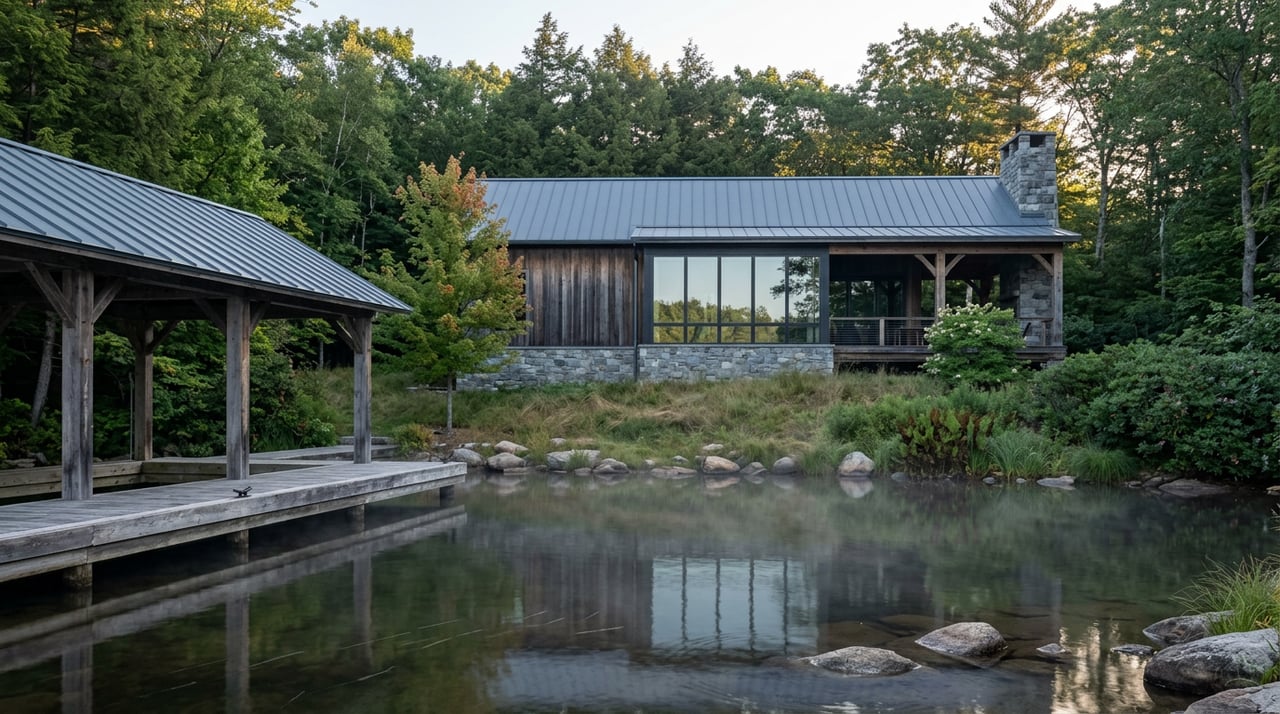
I always build a strategy from the story the property tells, because a mountain-view cabin, a riverfront home, and a downtown house each create very different leverage points.
2. Price Alone Rarely Wins the Best Outcome
In Blue Ridge, a strong offer or counteroffer usually depends on more than the headline number.
The terms that often matter most
-
Inspection timing: A realistic due-diligence window helps the transaction move with less friction
-
Closing schedule: Matching the seller’s timeline can strengthen the full offer package
-
Earnest money: A thoughtful deposit can communicate seriousness and stability
-
Financing clarity: Clean documentation and lender readiness support stronger positioning
I often find that timing, inspection structure, and closing flexibility can shift the outcome just as much as the purchase price.
3. Cabins Require a Different Negotiation Lens
Cabin inventory in Blue Ridge often comes with features that deserve very close review during negotiations.
The cabin issues I focus on first
-
Rental performance: Past short-term rental use can shape perceived value and expectations
-
Maintenance exposure: Decks, retaining walls, wood siding, and roofing deserve close attention
-
Access and parking: Driveway slope and turn-around space can affect how easily the home functions
-
Furnishings and contents: Many cabin transactions involve furniture, décor, and rental-ready inventory
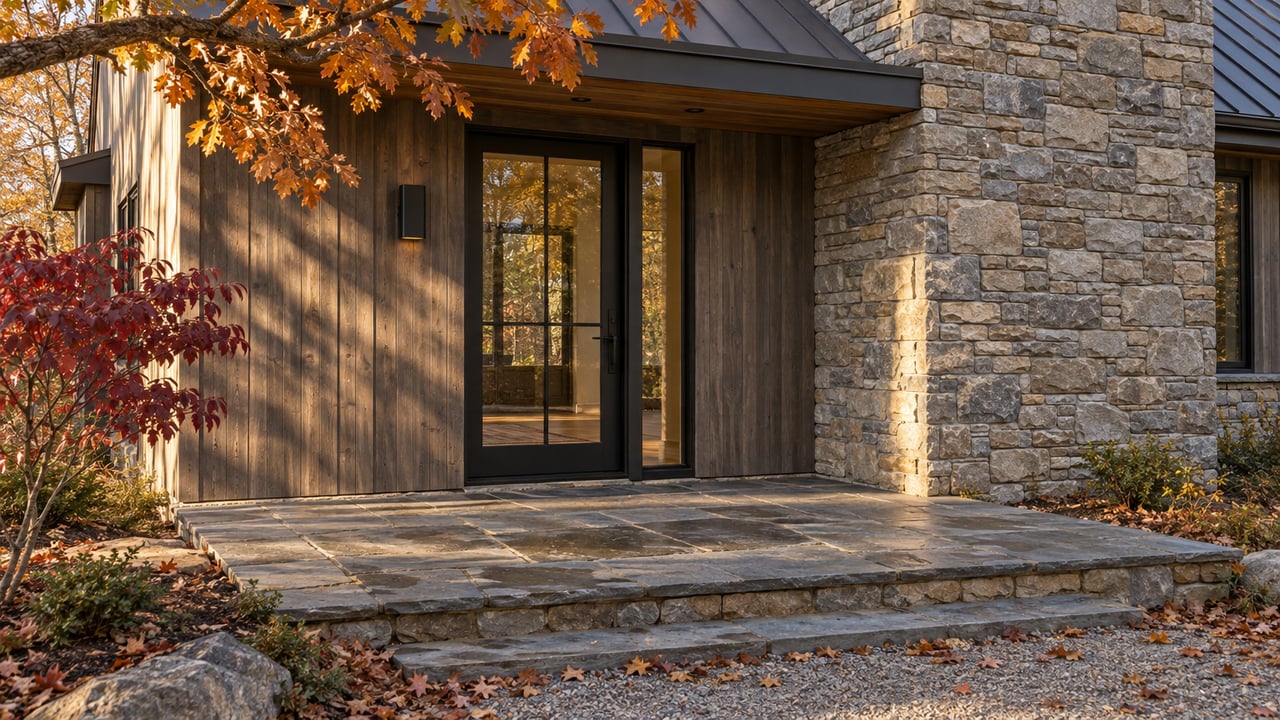
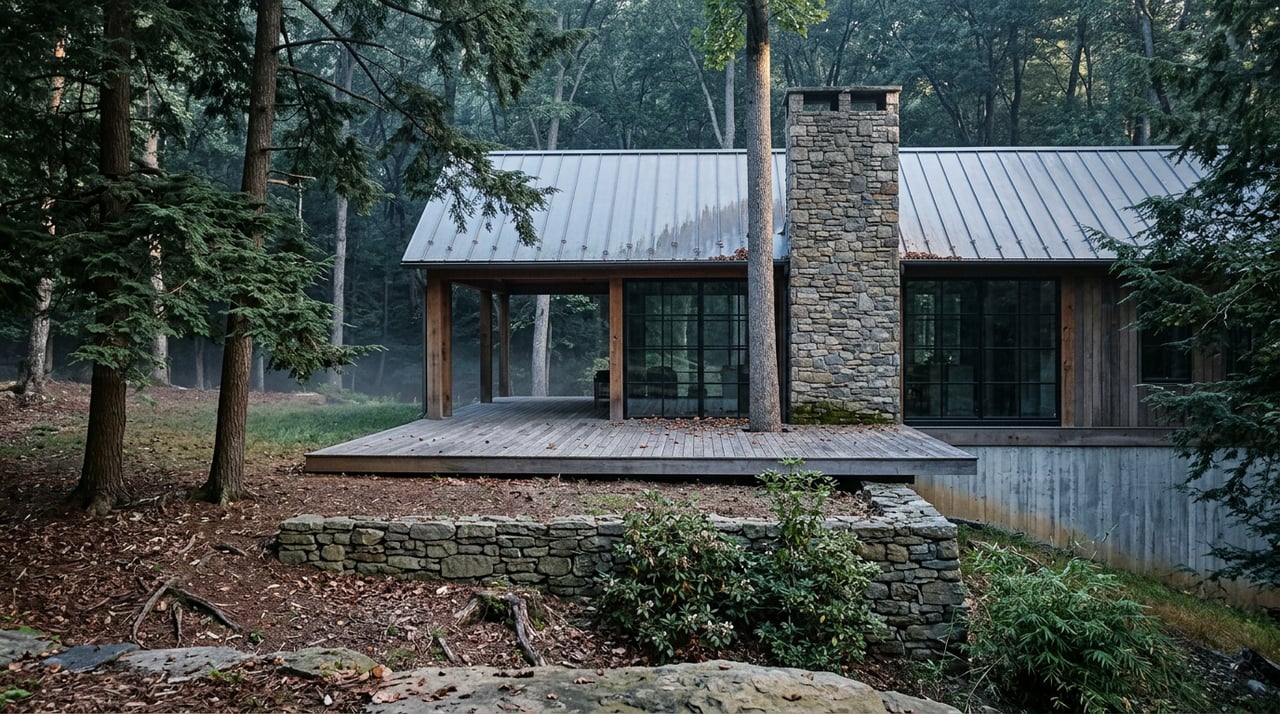
I pay special attention to this category because wood exteriors, mountain access, decks, fireplaces, and rental-use history all create questions that should be addressed before terms are finalized.
4. Inspection Negotiations Need Mountain-Market Discipline
Inspection negotiations in Blue Ridge work best when they stay focused on meaningful issues tied to value, function, and long-term ownership.
The repair items that deserve real attention
-
Water management: Drainage, grading, and moisture movement matter a great deal on sloped sites
-
Septic and well systems: Rural infrastructure should be reviewed carefully when applicable
-
Structural support: Foundation settlement, deck framing, and retaining elements carry major importance
-
Access-related wear: Driveways, culverts, and road approach conditions can affect ongoing usability
I always encourage a disciplined response because mountain properties can produce a longer inspection report even when the home still presents well overall.
5. Luxury and View Properties Need Precision
Upper-tier homes in Blue Ridge call for a more nuanced negotiation style because the value often lives in a combination of setting, finish level, privacy, and construction quality.
The luxury details I weigh closely
-
View quality: Long-range layered views usually carry more market weight than a narrower sightline
-
Outdoor living: Covered decks, fireplaces, kitchens, and entertaining spaces influence appeal
-
Privacy and acreage: Buffer, tree cover, and lot shape can shift value dramatically
-
Material quality: Stone, timber, windows, and interior finishes should support the asking position
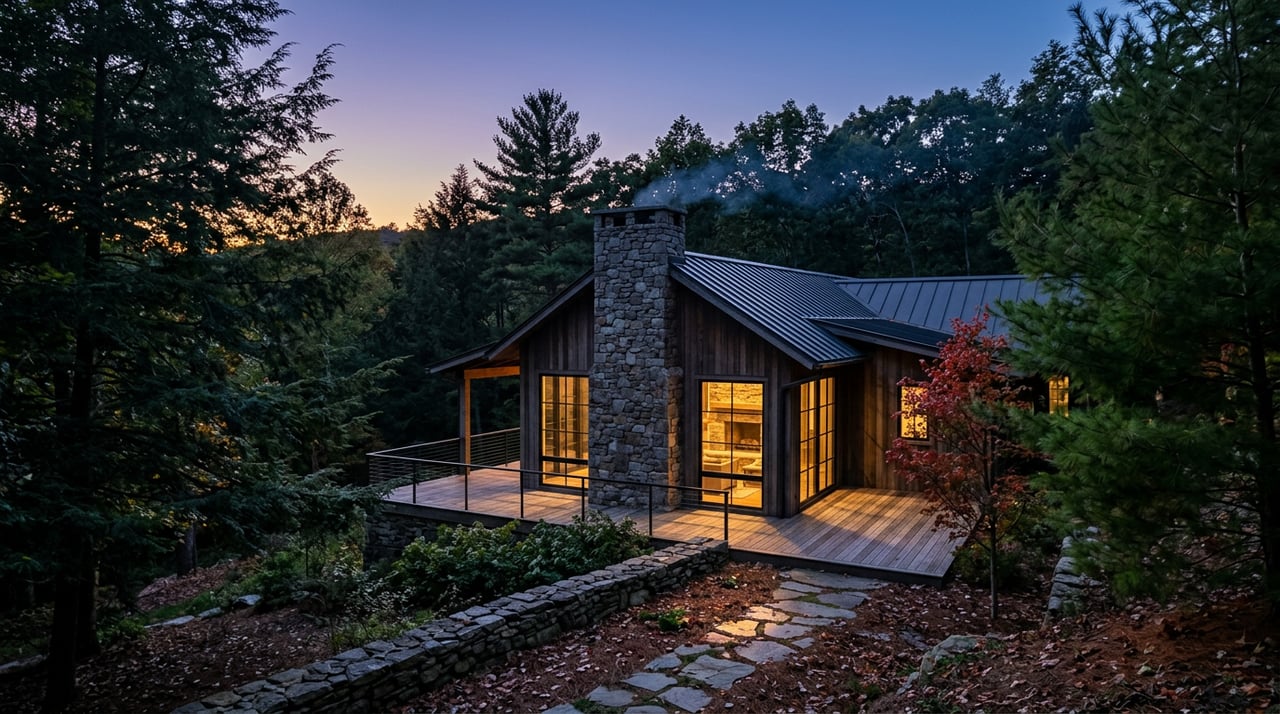
I treat these homes carefully because two houses with similar square footage can negotiate very differently when one has layered mountain views, stronger outdoor living, or a better arrival experience.
6. Communication Style Affects the Entire Deal
The way a negotiation is handled often shapes the outcome as much as the actual terms.
The communication habits I rely on most
-
Clear explanations: Every number and request should connect to a concrete reason
-
Calm pacing: A measured response usually protects leverage better than emotional urgency
-
Clean paperwork: Well-written terms reduce confusion and keep trust intact
-
Problem-solving tone: Solutions are easier to reach when the message stays constructive
A clear communication style helps preserve momentum and makes it easier to reach durable agreements.
FAQs
What is the biggest mistake people make in Blue Ridge negotiations?
The biggest mistake is treating every property the same way. A cabin with rental history, a mountain-view luxury home, and an in-town residence each deserve a different strategy.
Do inspection negotiations usually matter more in mountain markets?
They often do, because terrain, access, drainage, and exterior exposure can influence condition in very specific ways. A mountain-market inspection response works best when it stays focused on the items that truly affect value and function.
How much does local knowledge matter in a negotiation?
It matters a great deal in Blue Ridge. Access, slope, privacy, neighborhood placement, and property use potential can all change how an offer should be built and how a counter should be handled.
Contact Christy Reece Today
Blue Ridge has a real estate rhythm shaped by mountain roads, cabin inventory, downtown charm, view-driven luxury properties, and the practical details that come with buying in North Georgia’s high country.
Contact me, Christy Reece, and I will help you approach your Blue Ridge transaction with a sharper eye, a steadier hand, and a negotiation plan built for the realities of this market.
Contact me, Christy Reece, and I will help you approach your Blue Ridge transaction with a sharper eye, a steadier hand, and a negotiation plan built for the realities of this market.