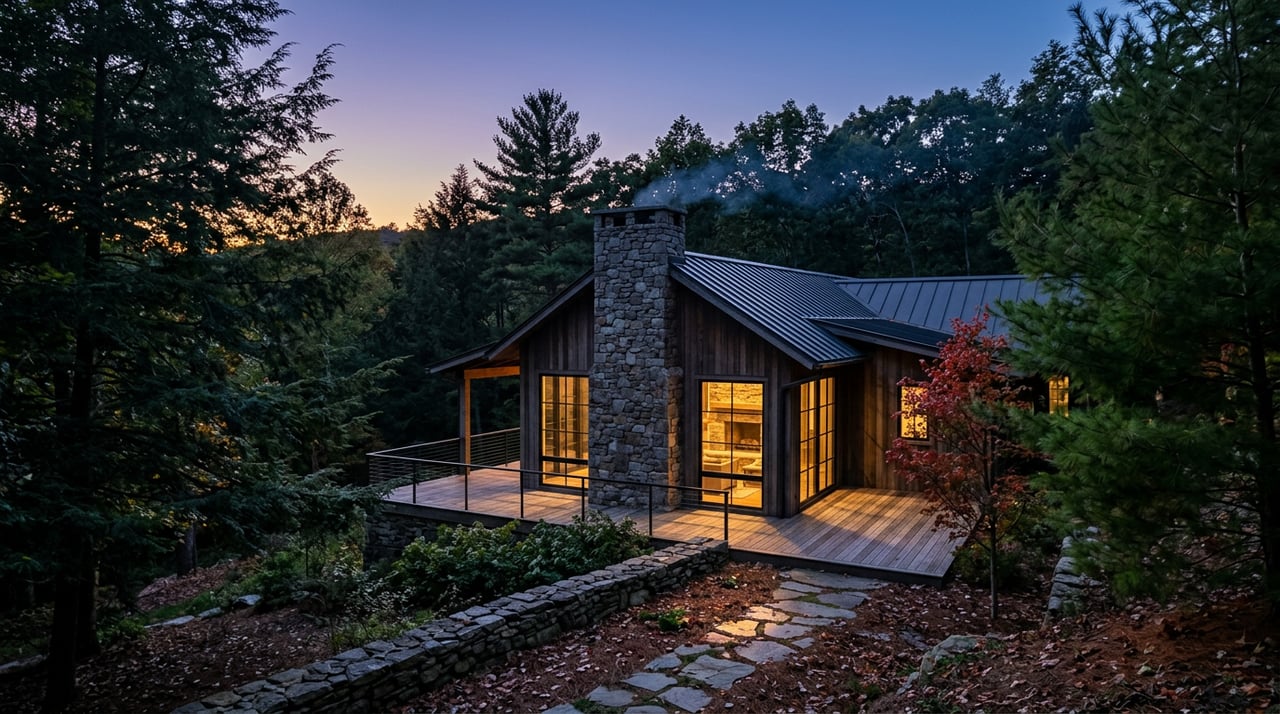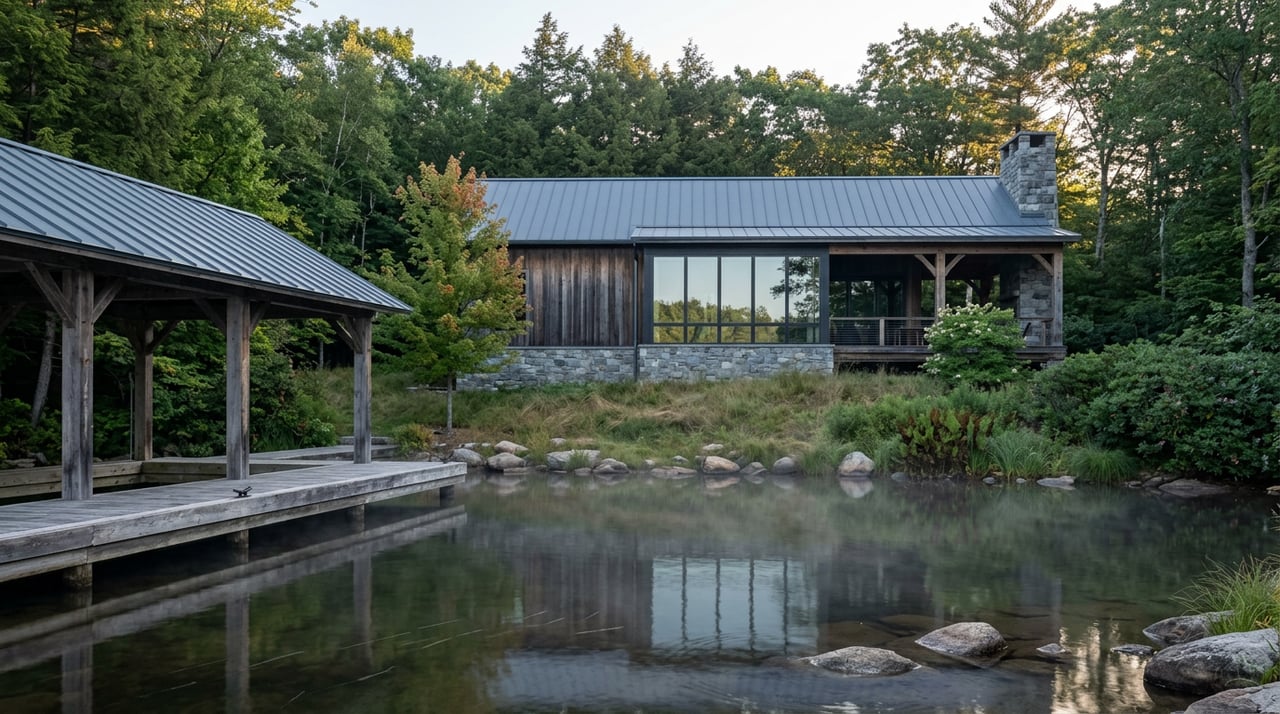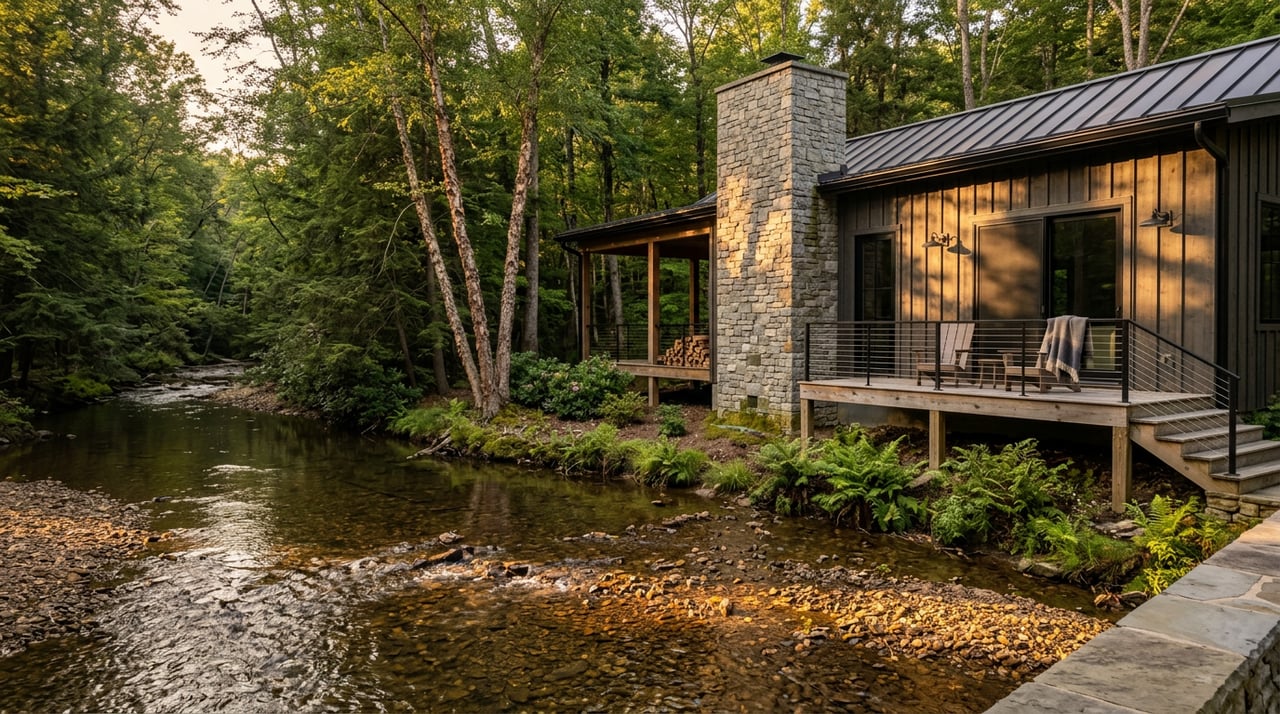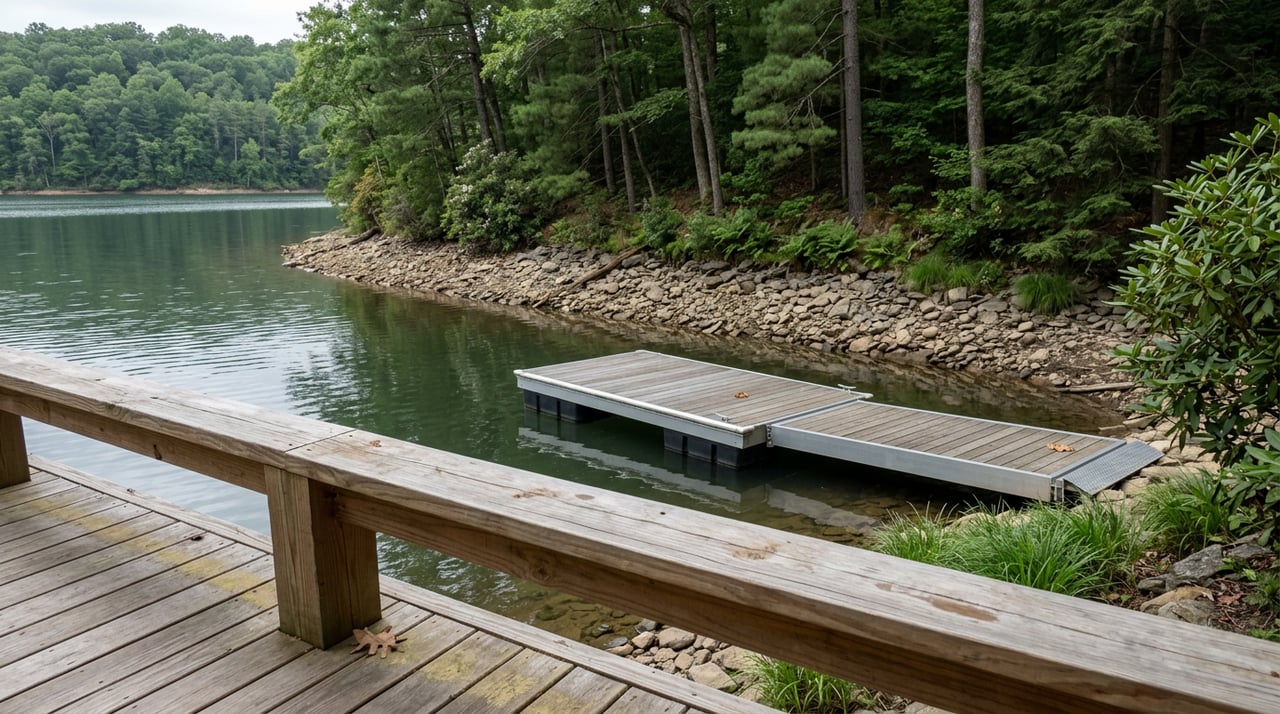
A buyer touring a Morganton cabin above Lake Blue Ridge usually assumes two things by the time they reach the dock: the yard runs to the water, and the dock comes with the house. On a Tennessee Valley Authority reservoir, both assumptions are wrong often enough to reshape a transaction. The shoreline you are buying is largely a paperwork asset. The dock is a federal permit in someone else's name. And what closes cleanly at the settlement table depends on documents most sellers cannot immediately produce.
That is the thesis of this guide. Price per foot of shoreline matters far less than whether the Section 26a permit on file transfers in a form that lets the next owner use the water the way they intend to.
The deed usually stops before the water
Lake Blue Ridge is an impoundment of the Toccoa River, formed by Blue Ridge Dam and managed by TVA. Per the Blue Ridge Reservoir Land Management Plan, the reservoir covers 3,220 water-surface acres with 68 miles of shoreline, and TVA holds 469.5 acres of land across 42 parcels along that shoreline. That strip of TVA-owned land sits between many private deeds and the water itself.
For a buyer, the practical translation is straightforward. The deed line on a Lake Blue Ridge property is often above the waterline, and everything below it, including the ground under the dock, the shoreline vegetation, and any steps down to the water, is federal land subject to TVA's shoreline rules. Cutting a tree for a view, adding a set of stone steps, or replacing a seawall is not a homeowner decision. It is a permit application.
Section 26a is the real "amenity"
TVA regulates shoreline construction under Section 26a of the TVA Act. Docks, boathouses, piers, ramps, shoreline stabilization, walkways, and vegetation removal all require written approval before the work begins. That is the mechanism converting a physical dock into a legal one.
Two numbers on that page shape most Morganton transactions:
| Item | Typical fee | TVA processing window |
|---|---|---|
| New construction permit | $500 | Up to ~100 days with a complete application |
| Re-issue to a new owner | $250 | Same |
Complex applications, sensitive resource findings, or missing state water-quality approvals can push the review longer. TVA's FAQ warns that timeframes can extend to 120 days when the file is complicated. That timeline is not a closing-week problem. It is a closing-month problem, and it should be scoped into the buyer's plans if any modification or expansion is contemplated within the first year of ownership.
Two rules are absolute enough to mention plainly. New floating cabins and expansions of existing floating cabins are prohibited on TVA reservoirs. Any pre-2016 floating cabin still on the water is a compliance case, not a marketing feature.
"Grandfathered" does not mean "automatic"
The most expensive misunderstanding on Lake Blue Ridge is the assumption that an old dock, sold as part of the property, comes with a permit that follows the deed. It does not.
A dock permitted before TVA's Shoreline Management Policy took effect on November 1, 1999 is grandfathered only if it was built exactly as previously approved. Any modification, even a minor one, requires a new permit. When ownership changes, the new owner must apply for a Section 26a permit in their own name. That step does not happen at closing.
Sources familiar with the TVA process advise filing the transfer application within roughly 60 days of closing. A buyer who never files is out of compliance on a federal permit for a structure they now own. A buyer whose new dock does not match the drawings on file has inherited a violation, not an amenity.
Reading the Morganton shoreline the way TVA does
Morganton Point Recreation Area, operated by the U.S. Forest Service on the west side of the lake, is the only developed campground on the shoreline and anchors the Morganton side with a swimming beach and boat access. Boaters and buyers also orient off Lake Blue Ridge Marina at 335 Marina Dr. for slips and fuel, Lakewood Landing, and the Lake Blue Ridge Recreation Area on the west side. Roughly a quarter of the reservoir's shoreline is developed. Much of the rest borders the Chattahoochee National Forest, which is why quiet coves and long forested views persist even as inventory turns over.
Water levels rearrange all of that seasonally. TVA operates Lake Blue Ridge for flood storage, power generation, and downstream flow, and the reservoir moves about 22 feet from summer pool to winter low in a normal rainfall year. A fixed dock that reads perfectly in July can sit above dry rock in February. A ramp that launches easily during recreation season can be unusable at winter pool.
For a buyer, that swing is a due-diligence tool. Photographs from July flatter every property on the lake. Photographs from January reveal which shorelines were engineered for the drawdown and which were staged for a summer showing. Local dock builders including Martin Docks, a Blue Ridge firm building on the lake since 1956, design floating docks and gangways specifically for that range, and they are a practical resource for assessing whether a given dock's articulation actually works at low pool.
A due-diligence sequence that keeps a Morganton closing on track
The friction on TVA lakes is almost always about paperwork rather than property. A sequenced approach handles it.
- Ask for the Section 26a permit in writing during the inspection period. Not a verbal confirmation from the seller. The permit itself, with drawings.
- Walk the dock and shoreline with the permit in hand. Second stories should be open with railings; enclosed or roofed second stories are non-compliant and TVA can require removal. Steps, cribs, stabilization, and any vegetation cutting should match what the file shows.
- Verify shoreline zone. TVA classifies shoreline into management zones. The most flexible category still requires application for anything new. Tighter zones limit what can be built or rebuilt in the future, which matters if the buyer's plan includes a boathouse expansion or new stabilization.
- Order a survey that shows TVA's boundary and any flowage easements. Setbacks, encroachments, and septic clearances are all measured off lines that a standard title commitment does not visualize.
- Budget for the re-issue. Plan on the ~$250 transfer fee and file promptly after closing so the permit reflects the new owner's name. Confirm state water-quality permitting if any new work is planned.
- Call the operator directly for anything ambiguous. TVA's Public Land Information Center is 1-800-882-5263 or [email protected]. A 15-minute call before contract can save a 100-day review after.
For sellers on the Morganton side, the same sequence in reverse protects price. A listing package that includes the current permit, the approved drawings, and multi-season shoreline photographs closes faster because it removes the two questions that most often stall lake contracts: "does it convey" and "does it work in winter."
FAQ
Does the dock convey with the house? The physical structure typically transfers with the sale, but the Section 26a permit does not follow the deed. The new owner must apply to TVA to re-issue the permit in their name, generally within about 60 days of closing.
Can I add a second story or a boathouse after I buy? Only with a new Section 26a permit. Second-story dock decks are allowed with open railings; enclosed or roofed second stories are not. New floating cabins are prohibited outright on TVA reservoirs.
How long does the permitting process take? TVA cites up to about 100 days for a complete application and up to 120 days when the file is complex or involves sensitive resources. Delays are common when a required state water-quality permit is still pending or when the dock as built does not match the drawings on file.
What does the seasonal drawdown mean for daily use? Lake Blue Ridge moves about 22 feet between summer pool and winter low in a normal year. Floating docks with well-designed gangways adapt across the range; fixed docks can be limited at low pool. It is reasonable to ask the seller for photographs across multiple seasons before removing contingencies.
Buying a lakefront home in Morganton is less about square footage and more about the quality of the file that comes with it. If you would like help reading a specific property's dock permit, walking a shoreline before contract, or scoping a re-issue timeline into your closing schedule, Christy Reece works these transactions on Lake Blue Ridge regularly and is happy to talk through your situation. Let's Connect.