By Christy Reece
One of the first things people notice when they visit Blue Ridge is how different the air feels. Cooler, cleaner, and lighter than the Georgia heat most Southerners are accustomed to, the mountain climate here is one of the community's most quietly compelling selling points. Sitting in the southern Appalachians at elevations that keep temperatures measurably lower than Atlanta and the surrounding lowlands, Blue Ridge enjoys a four-season climate that supports outdoor living year-round. Here is what each season looks like for the people who live here.
Key Takeaways
- Learn what spring brings to Blue Ridge, including wildflower season, the rainiest weeks of the year, and the first warm days that pull residents back outside.
- Discover why Blue Ridge summers are a departure from the sweltering Georgia heat most residents come from, with warm days and reliably cool mountain evenings.
- Find out what fall looks like in one of the South's premier foliage destinations, and why October is the driest and most spectacular month of the year.
- Understand what winter in Blue Ridge actually delivers, including occasional snow, cozy fireplace weather, and sunny days that make the season far more pleasant than most newcomers expect.
Spring
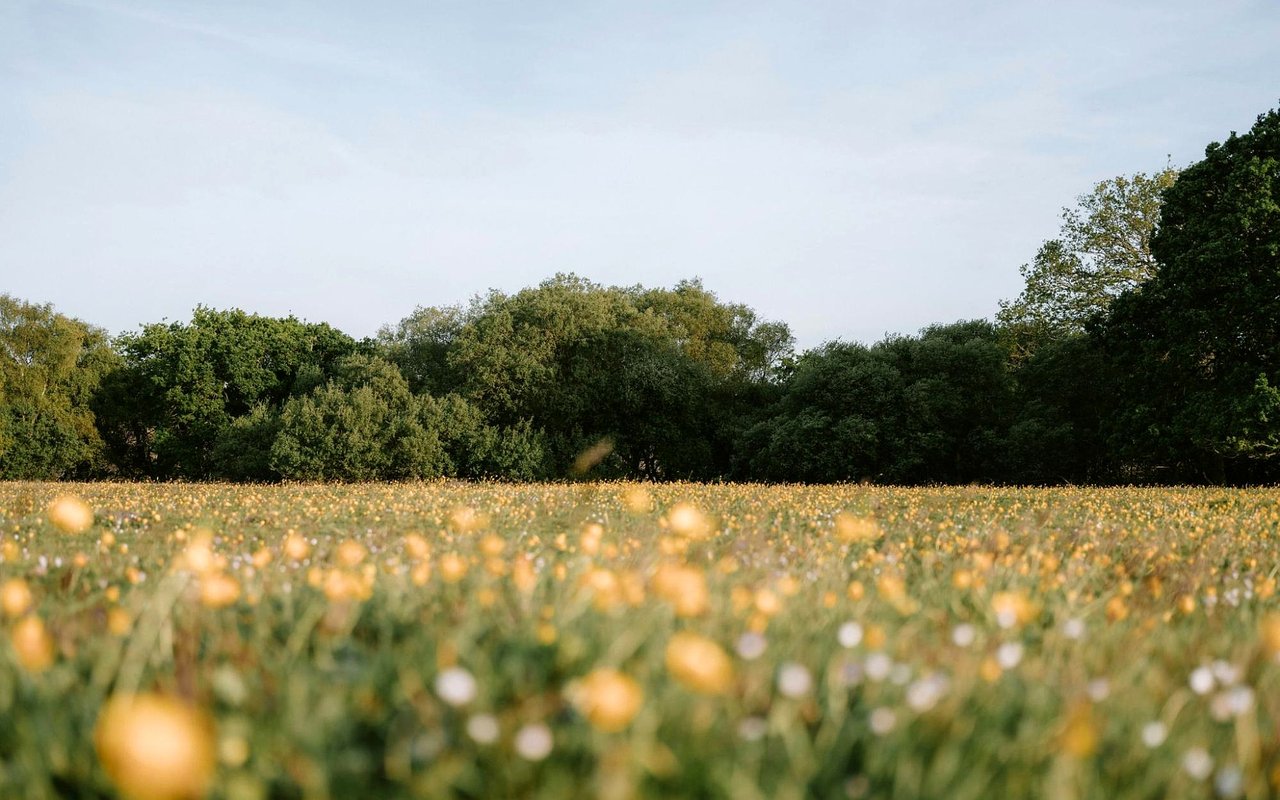
Spring arrives gradually in Blue Ridge, with March bringing a mix of chilly mornings and brightening afternoons before April and May settle into the warm, blooming stretch that defines the season. The forests come alive with wildflowers along the trail systems and creek corridors, and the Toccoa River runs full with snowmelt and spring rain.
What to Expect in Spring
- April is the rainiest month of the year, with heavy showers interspersed with sunny days, making layers and a reliable rain jacket the essential wardrobe for the season.
- Daytime temperatures climb through the 60s and 70s as the season progresses, while evenings stay cool enough for a fire well into May.
- The wildflower blooms along the trails and forest floors of the Chattahoochee National Forest peaks in April and early May, and residents treat it as one of the year's best reasons to get outside.
- Spring is the season when the Scenic Railway resumes operations after its winter maintenance closure, and downtown Blue Ridge comes back to life with visitors and locals reconnecting with the outdoor calendar.
Summer
Blue Ridge summers are one of the primary reasons people from Atlanta, Charlotte, and the Florida coast come here looking for real estate. Daytime highs typically reach the mid to high 80s, which sounds warm until you factor in the elevation and the tree cover that keeps temperatures eight to 10 degrees cooler than Atlanta on any given day.
What to Expect in Summer
- Evenings cool reliably into the low 60s even at the height of summer, which makes sitting on a porch or sleeping with the windows open a realistic part of daily life rather than wishful thinking.
- Afternoon thunderstorms roll through periodically, typically brief and clearing quickly, which keep the landscape green and the air fresh without dominating the daily weather picture.
- Humidity exists in summer but is noticeably less oppressive than in southern Georgia, Alabama, and coastal Florida, which is one of the practical reasons mountain town living appeals to residents from those markets.
- The lakes, rivers, and swimming holes around Blue Ridge reach their peak use in summer, with Toccoa River tubing, Lake Blue Ridge kayaking, and Mercier Orchards all drawing residents into the outdoors throughout the season.
Fall
Fall is when Blue Ridge earns its national reputation. Southern Living has named the Blue Ridge Scenic Railway one of the top five attractions in the South for fall foliage, and the surrounding mountains justify that recognition with color that peaks in October and lingers into early November.
What to Expect in Fall
- October is the driest month of the year, with sunshine-dominant days and crisp mountain air that makes outdoor activity comfortable from morning through evening.
- Daytime temperatures run from the low 60s to the low 80s through September and October, with nights dropping into the mid-30s to low 50s and delivering the cool sleeping weather that mountain living is known for.
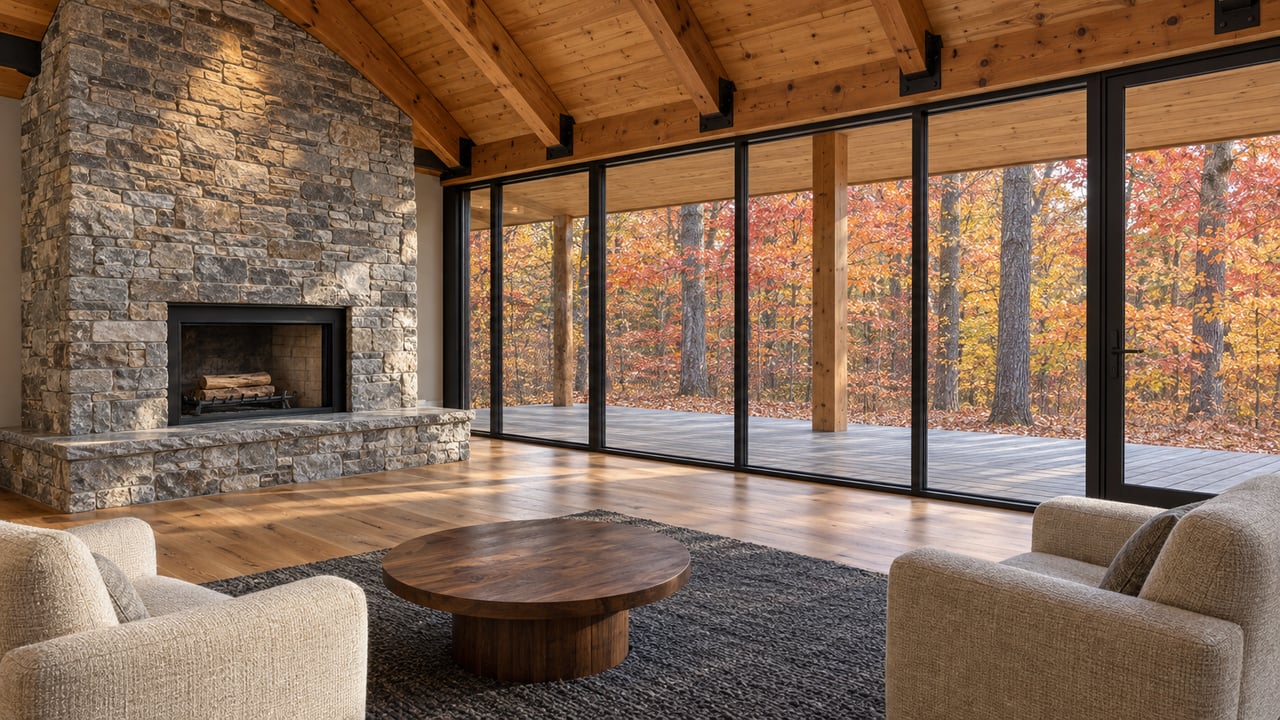
- The foliage peak typically runs from mid-October through early November, when the hardwood canopy across the ridges and river corridors turns through the full color range of a Southern Appalachian autumn.
- Fall is the busiest season in Blue Ridge, with the Scenic Railway selling out on weekends, downtown packed with visitors, and the apple orchards at Mercier running their annual harvest operations.
Winter
Winter in Blue Ridge is gentler than most newcomers from northern states expect, and more interesting than most southern Georgia residents anticipate. Snow falls occasionally, averaging around four inches in a season, and the combination of bare mountain ridges, fireplace weather, and a quieter downtown pace gives the season a charm that full-time residents often name as their favorite.
What to Expect in Winter
- Daytime highs in December through February typically sit in the 50s, with overnight lows that can drop below freezing on the coldest nights, making proper insulation and a reliable heating system a practical priority for any home purchase.
- Snow events happen once or twice a year on average, and while accumulation is modest, the brief window of snow-covered mountain scenery is a genuine visual reward that residents look forward to.
- January is the cloudiest month of the year, but Blue Ridge still averages 204 sunny days annually, which means even winter delivers regular stretches of clear, cold days perfect for hiking the hardened trails.
- The Scenic Railway closes for maintenance in January and February, and downtown shifts to a quieter pace that long-term residents appreciate as one of the best-kept secrets about off-season mountain living.
Frequently Asked Questions
How does Blue Ridge compare to Atlanta in terms of summer heat?
Blue Ridge runs eight to 10 degrees cooler than Atlanta on average through the summer months, and the mountain elevation keeps evenings consistently comfortable in ways that Atlanta's urban heat cannot match. Residents who relocated from Atlanta frequently cite the summer climate difference as one of the most satisfying aspects of the move.
Does Blue Ridge get enough snow to affect daily life in winter?
Snow events are occasional rather than regular, and most winters produce a total accumulation of around four inches or less. Roads in the downtown area clear quickly, though properties at higher elevations and on mountain roads should be evaluated for winter accessibility before purchase. Ice is a more common concern than deep snow in Blue Ridge's climate.
What is the best season to visit Blue Ridge before deciding to buy?
Fall gives the most complete picture of why people fall in love with this community, with the foliage, the comfortable temperatures, and the full activity calendar all operating simultaneously. That said, each season reveals something different, and buyers who have visited in multiple seasons consistently feel more confident in their decision than those who have only seen Blue Ridge in one.
Blue Ridge Living Starts With the Right Home
The climate here is one of the reasons people come, and one of the reasons they stay. As a local real estate expert, I specialize in Blue Ridge and North Georgia real estate and help buyers find properties that work as well in January as they do in October.
Ready to enter the market? I, Christy Reece, am ready to help you find your mountain home.
Ready to enter the market? I, Christy Reece, am ready to help you find your mountain home.